A Fresco Cycle of European Significance
Around 1400, the castle lord commissioned a unique cycle of wall paintings for the great hall. The images tell the Middle High German heroic legend of Dietrich von Bern and dwarf king Laurin.
Between 1907 and 1912 the frescoes were detached from the walls and transferred to the Ferdinandeum museum in Innsbruck, where they can still be admired today.
The Legend of King Laurin
Laurin, the mighty dwarf king of the Dolomites, guarded his rose garden with an iron law. Anyone who picked even one rose lost hand and foot. Defeated by Dietrich, Laurin cursed his garden – and since then the Dolomites glow red every evening in the alpine sunset.
Tempera on lime plaster – 14th-century International Gothic
The Lichtenberg frescoes are painted in tempera on fresh lime plaster (buon fresco), a technique widespread in medieval Europe requiring great skill: pigments were applied directly onto still-damp plaster, bonding chemically with the surface as it dried.
The style belongs to the International Gothic, characterised by elegant elongated figures, richly draped garments, and ornamental backgrounds. The Lichtenberg cycle is one of the rare examples of secular narrative painting on a medieval literary theme – the Middle High German poem Laurin (ca. 1200, anonymous) – to have survived in the German-speaking world.
The paintings were created around 1350–1400, probably commissioned by the lords of Lichtenberg to celebrate chivalric culture and the epic cycle of Dietrich von Bern. Their uniqueness lies in the secular subject matter and exceptional quality of execution for a provincial castle.
Ill.: Ferdinand Leeke (1859–1937) · Public Domain
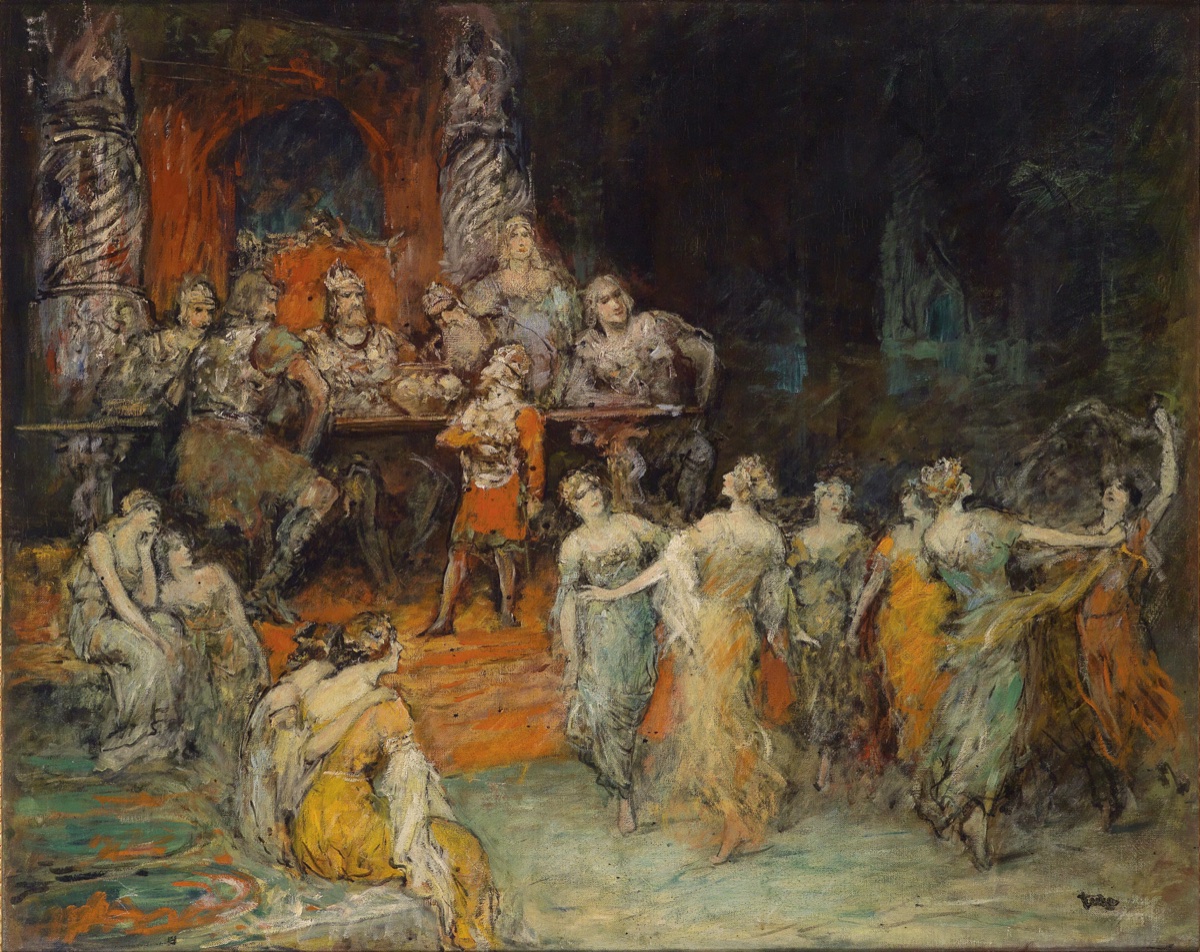
Dwarf King Laurin at the court of Dietrich von Bern
Ferdinand Leeke (1859–1937) · Oil on canvas · Public Domain
The Laurin Cycle
Five preserved main scenes, today at the Ferdinandeum in Innsbruck.
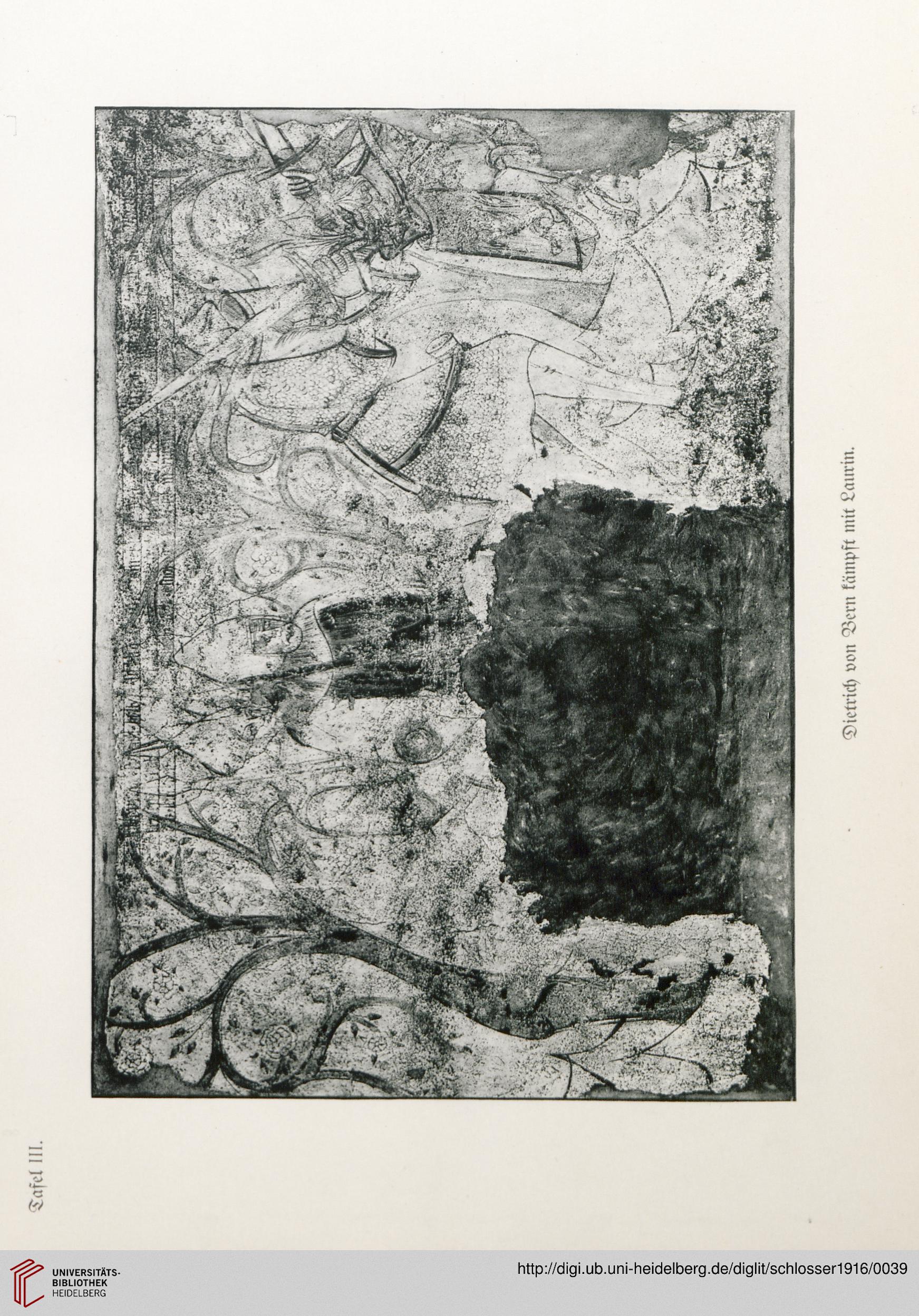
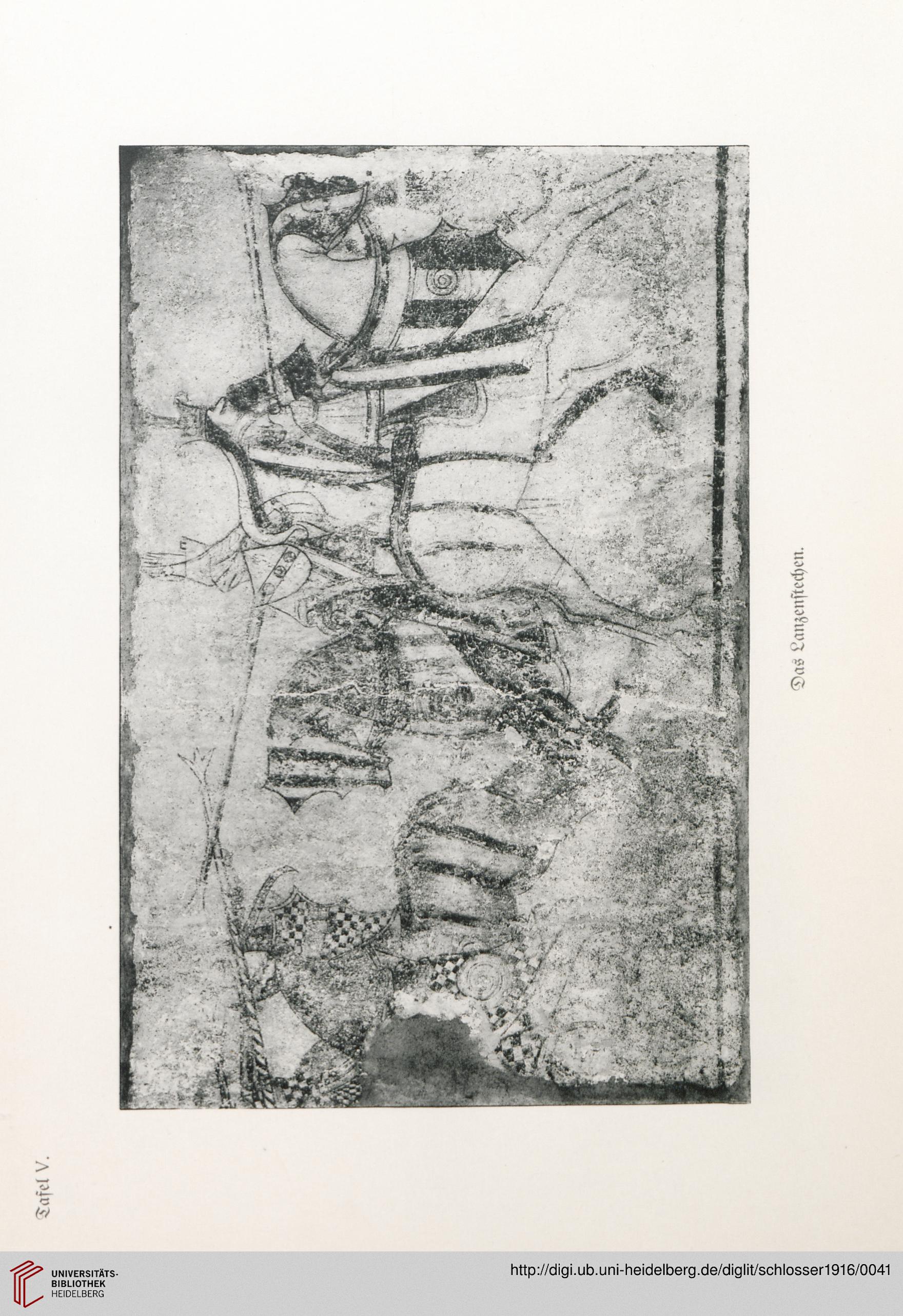
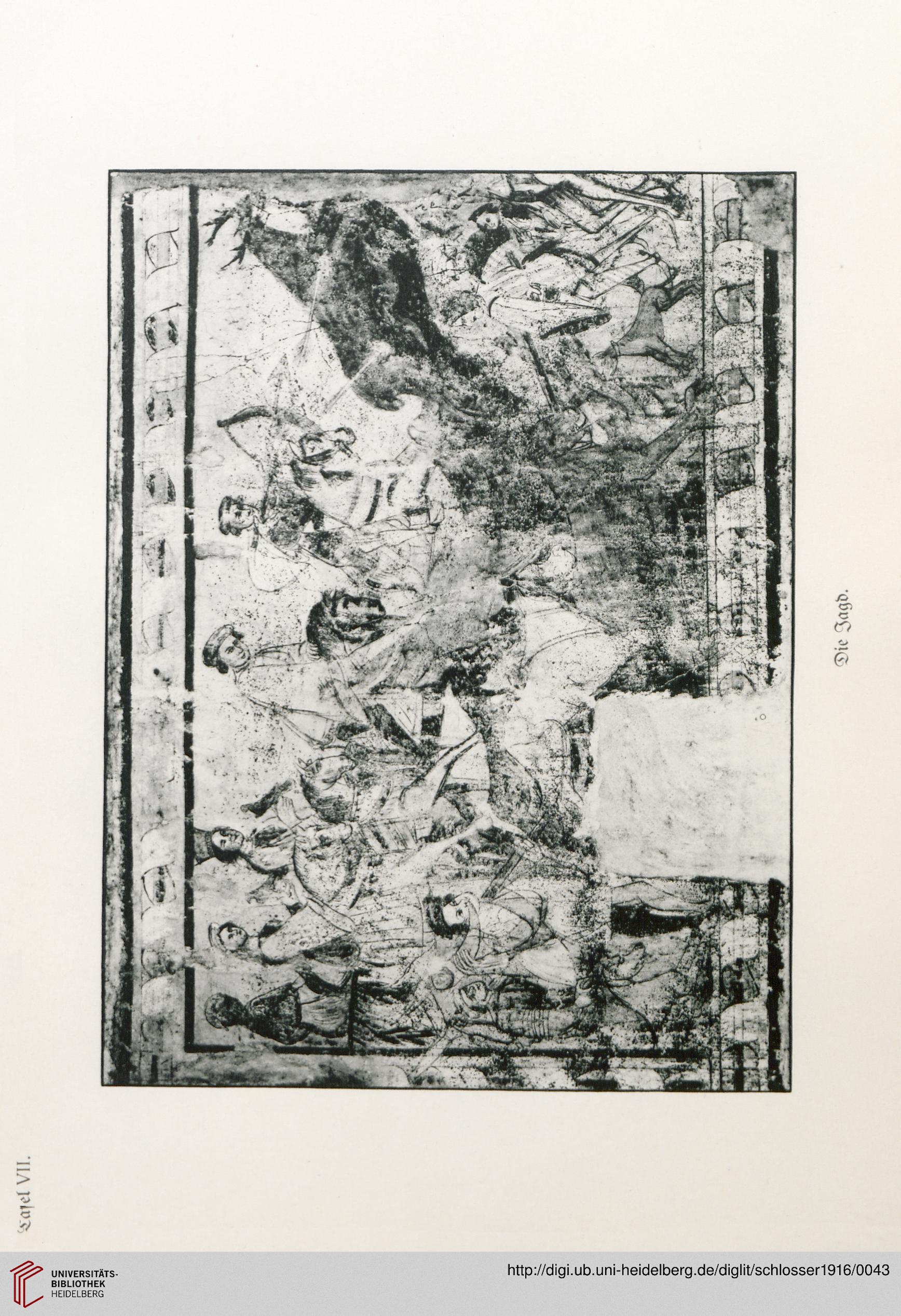
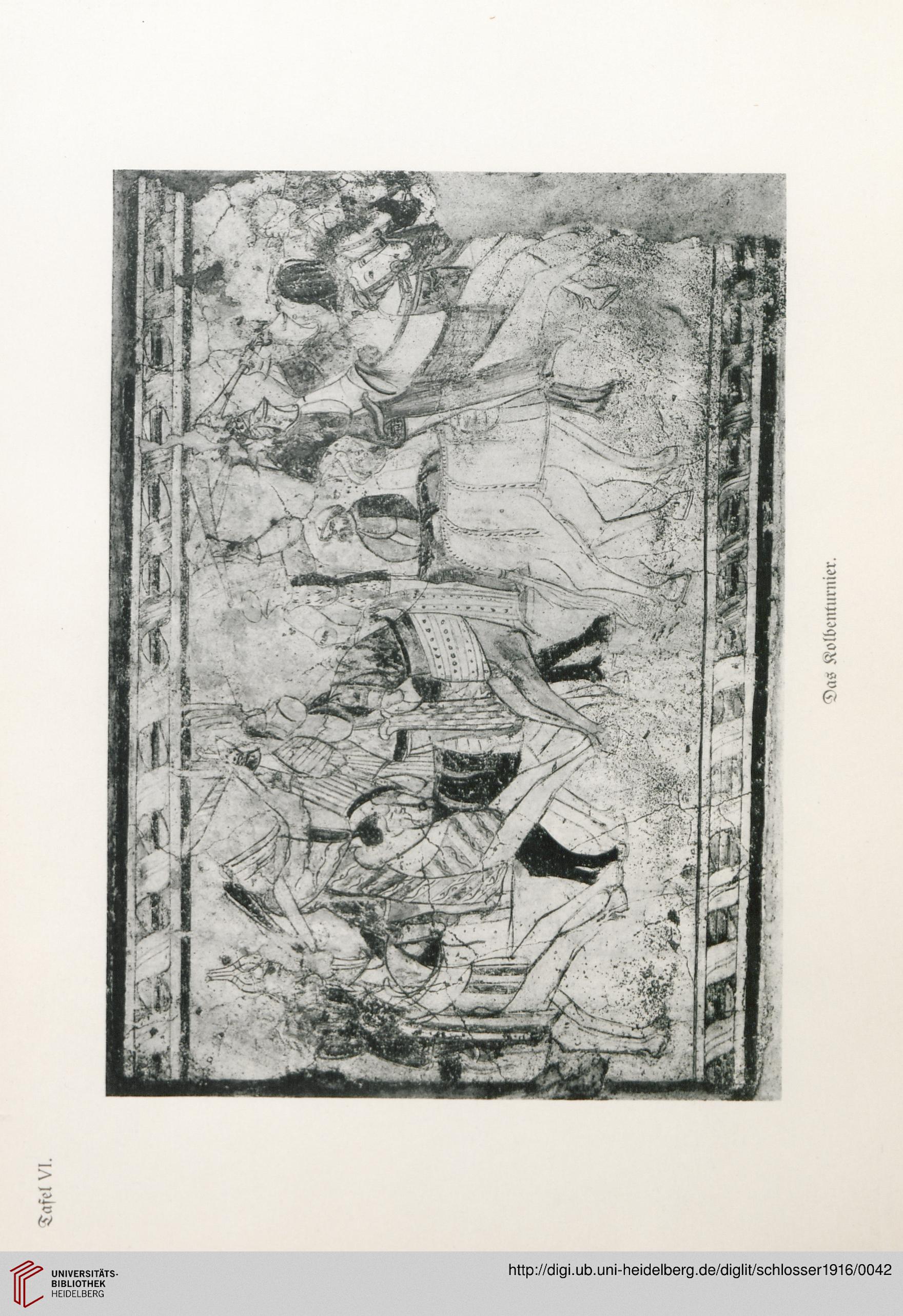
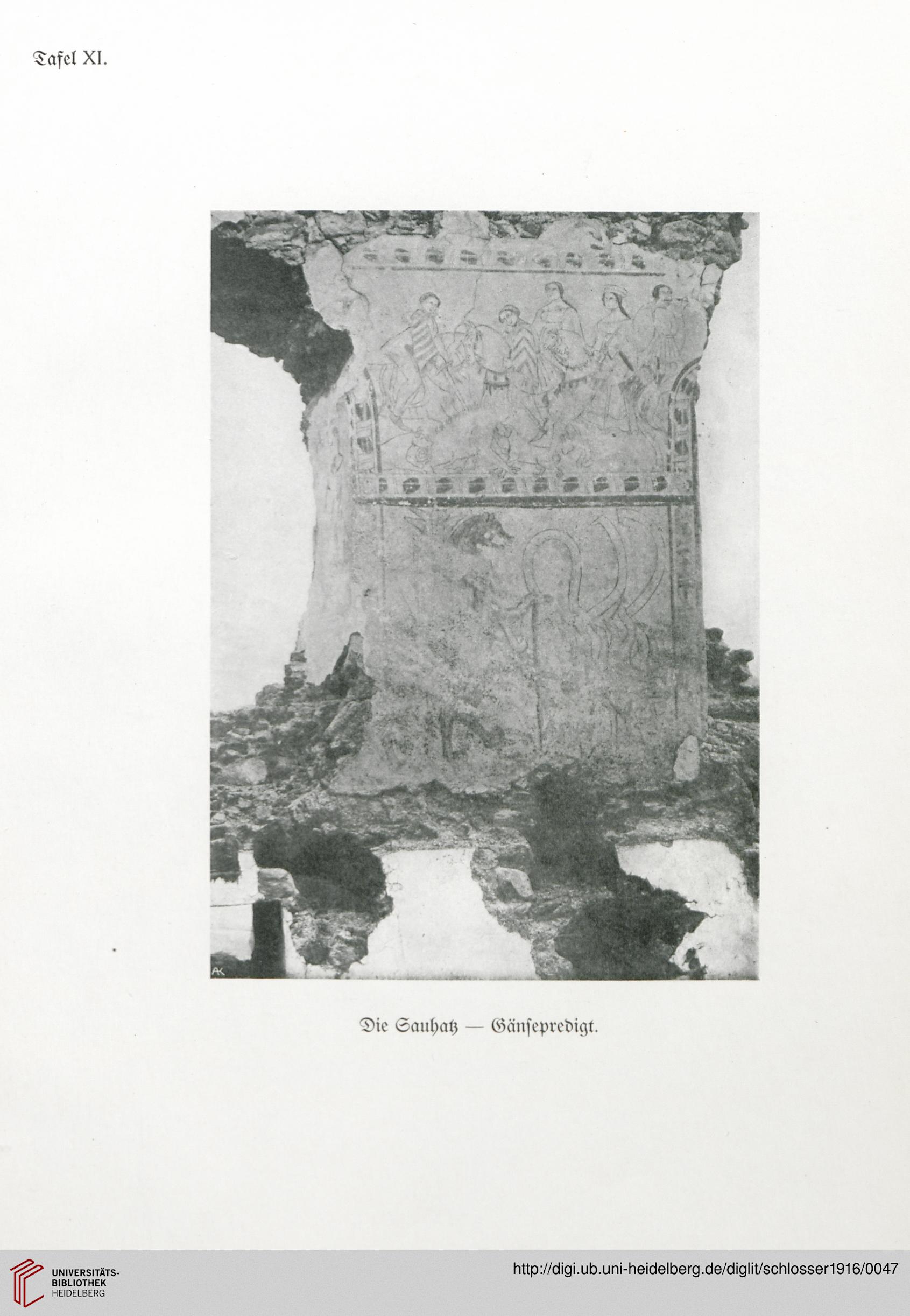
12 Scene reconstruction based on Troyer (1974) and the Tyrolean State Museum Ferdinandeum.
Unlock for free
Continue reading
Register for free and access all content on this page — no subscription, no credit card.
Where are the frescoes today?
The Lichtenberg frescoes are currently held at the Tiroler Landesmuseen – Ferdinandeum in Innsbruck. After being removed from the castle between 1907 and 1912 – a controversial operation conducted at a time when cultural heritage protection standards were still rudimentary – the paintings were transferred to the Tyrolean state museum.
The frescoes are currently not on public display due to ongoing renovation works at the museum, scheduled to continue until 2028. The works are kept under inventory numbers Gem 1227–1241.
For information on the current exhibition status or possible research visits, please contact the museum directly.
Visit the Ferdinandeum ↗Tiroler Landesmuseum Ferdinandeum
Maria-Theresien-Str. 53
6020 Innsbruck, Österreich
Laurin Cycle:
Inv.-Nr. Gem 1227–1241
Currently not on public display (renovation until 2028)
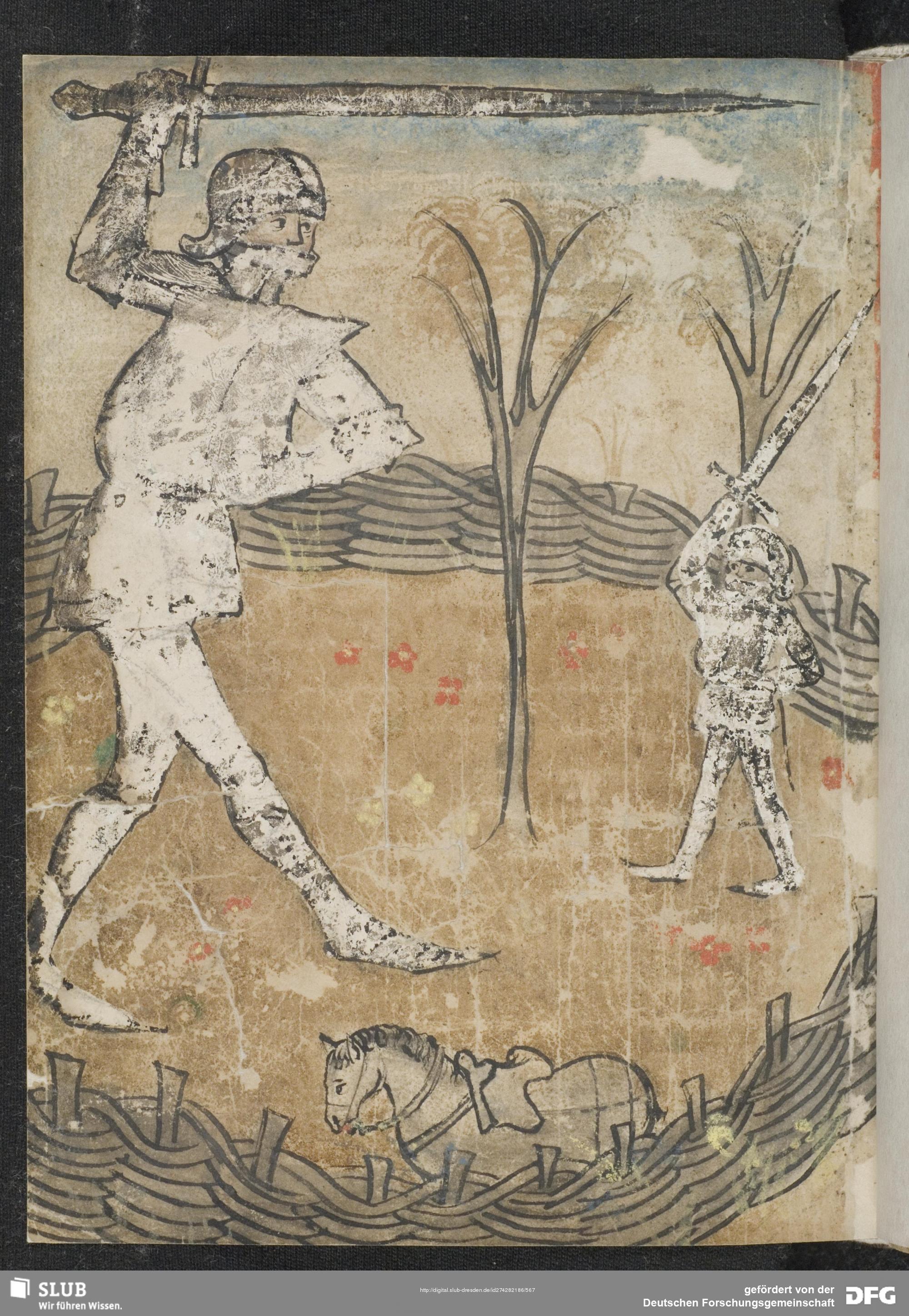
Kaspar von der Rhoen, 1472 · SLUB Dresden, Hs M. 201, fol. 276v · CC BY-SA 4.0
Stay Informed
Opening times, events and new content – directly to your inbox.